
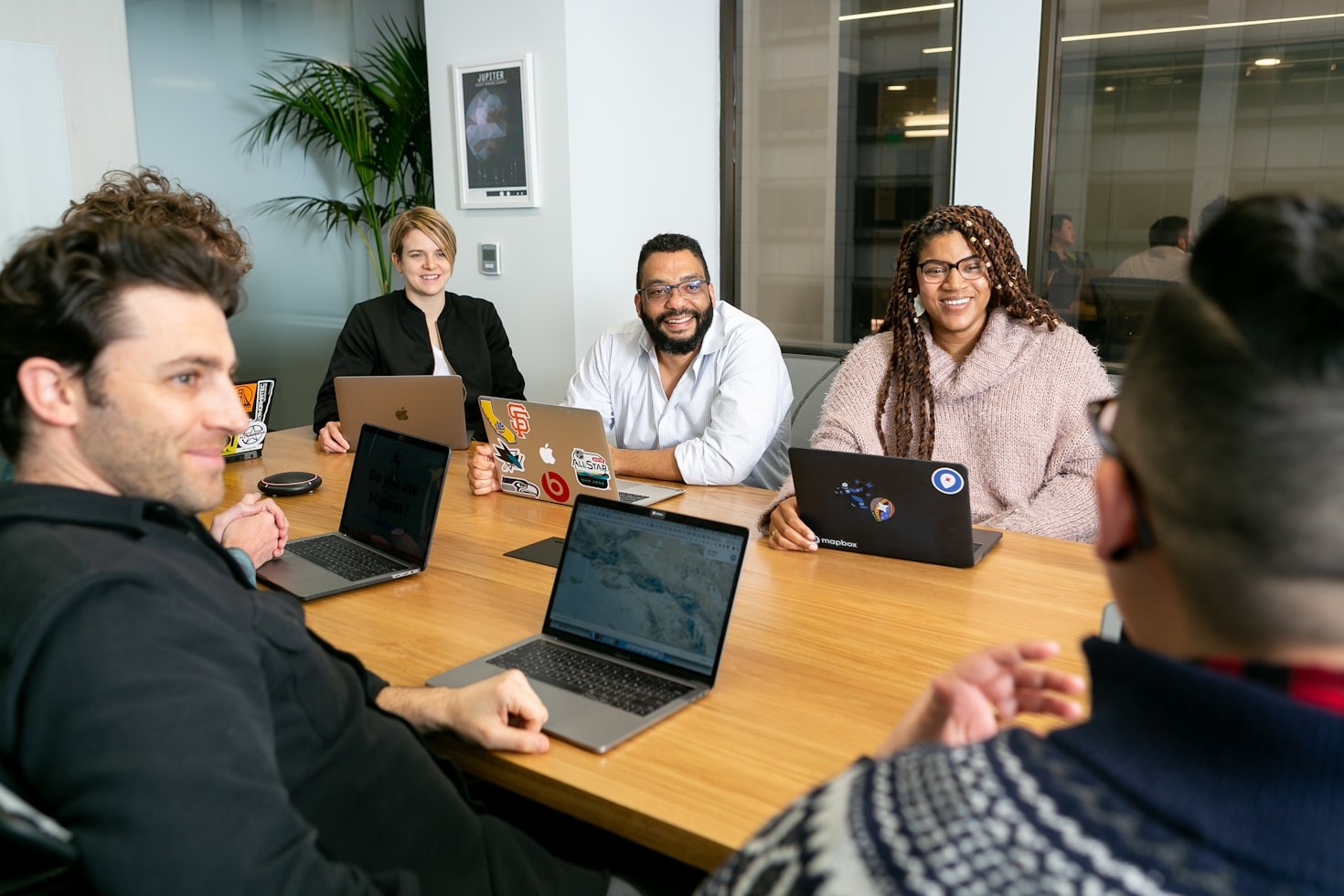
Digital Tools That Revolutionize Workplace Conflict Resolution
In any work environment, conflicts are inevitable but managing them efficiently is crucial for maintaining productivity and a healthy workplace culture. Digital tools have emerged as powerful allies in transforming how organizations handle workplace disputes. Here are some key digital solutions that are revolutionizing conflict resolution:
- Mediation and Collaboration Platforms
Tools like Miro, Microsoft Teams, and Zoom facilitate real-time communication and collaborative problem-solving. They enable parties to discuss issues openly, share documents, and brainstorm solutions, even when working remotely. - Conflict Management Software
Platforms such as Resolver and ConvergePoint provide structured workflows for reporting, tracking, and resolving conflicts. These tools help HR departments monitor issues, ensure compliance, and maintain an audit trail for accountability. - AI-Powered Chatbots and Virtual Assistants
AI-driven chatbots can offer immediate support by answering employees’ questions about policies, guiding them through complaint procedures, or offering conflict resolution tips. They provide a confidential, accessible first step before escalating issues. - Employee Feedback and Pulse Survey Tools
Solutions like Culture Amp and Officevibe gather anonymous feedback, helping organizations identify underlying tensions early. Regular pulse surveys enable proactive conflict prevention and improvement of workplace dynamics. - Training and E-Learning Platforms
Digital learning tools such as LinkedIn Learning and Udemy offer courses on communication skills, emotional intelligence, and conflict resolution techniques, empowering employees to handle disputes constructively. - Anonymous Reporting Systems
Platforms like EthicsPoint allow employees to report conflicts or misconduct confidentially, fostering a safe environment for raising concerns without fear of retaliation.
By integrating these digital tools, organizations can create more transparent, responsive, and effective conflict resolution processes. This not only minimizes disruption but also promotes a culture of respect and collaboration.